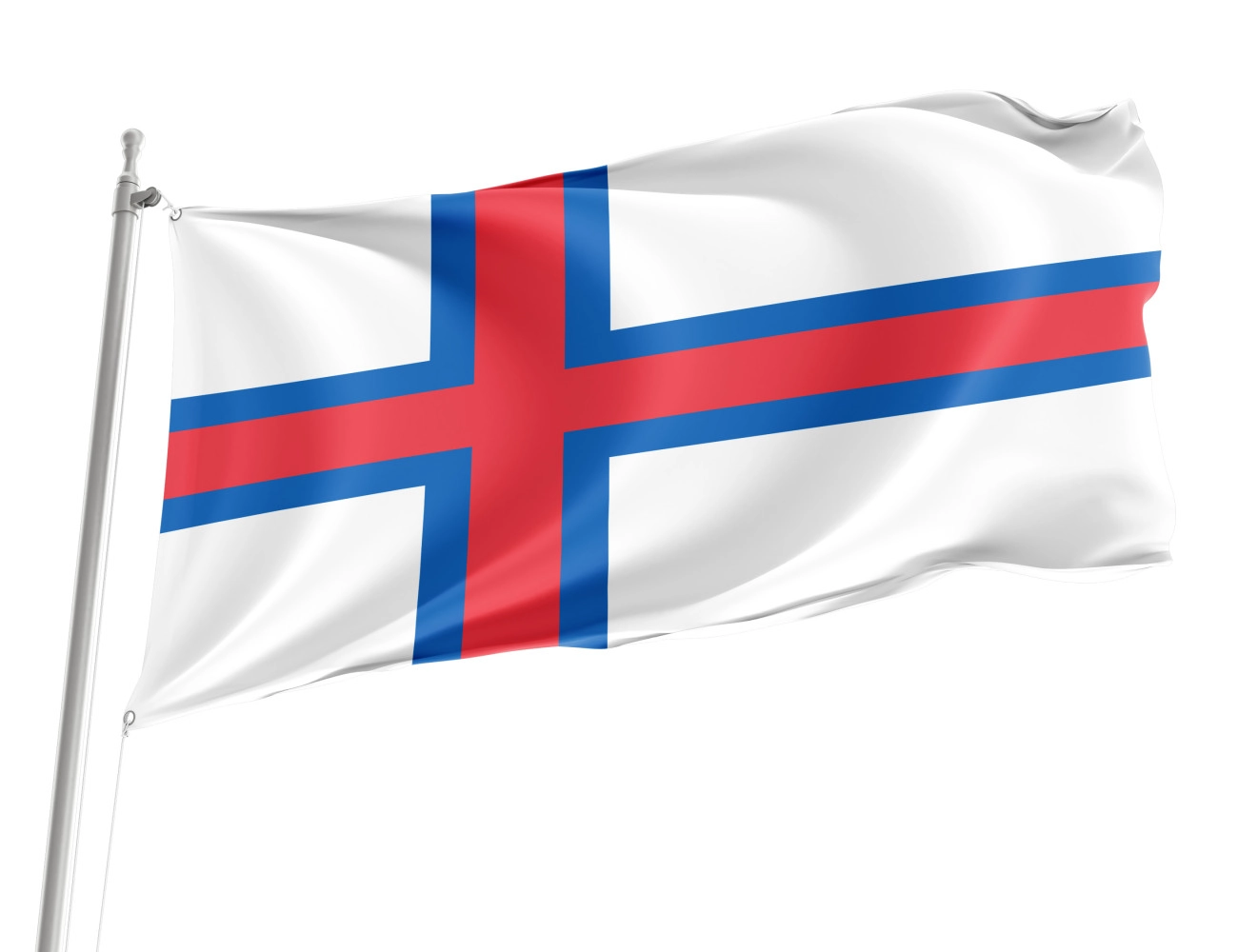
Faroe Islands Flag for Indoor & Outdoor Use
- Yes: Available
- Model: FO-001
Safety
Easy and secure payment in a few clicks.
Fast Return
Quick return window of 14 days.
To any point
Worldwide shipping without limits and boundaries.
Quality
We make every item ourselves and guarantee quality.
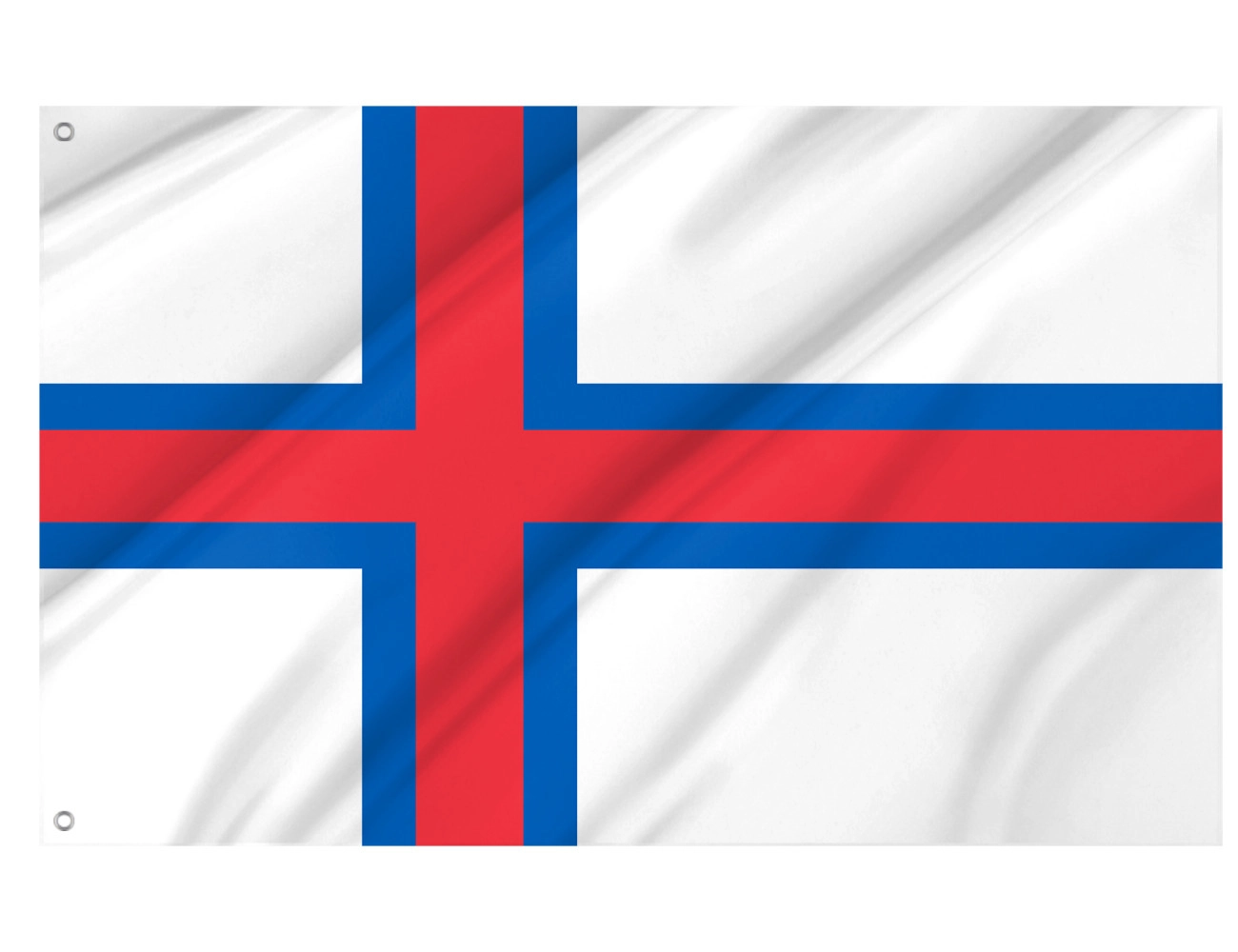
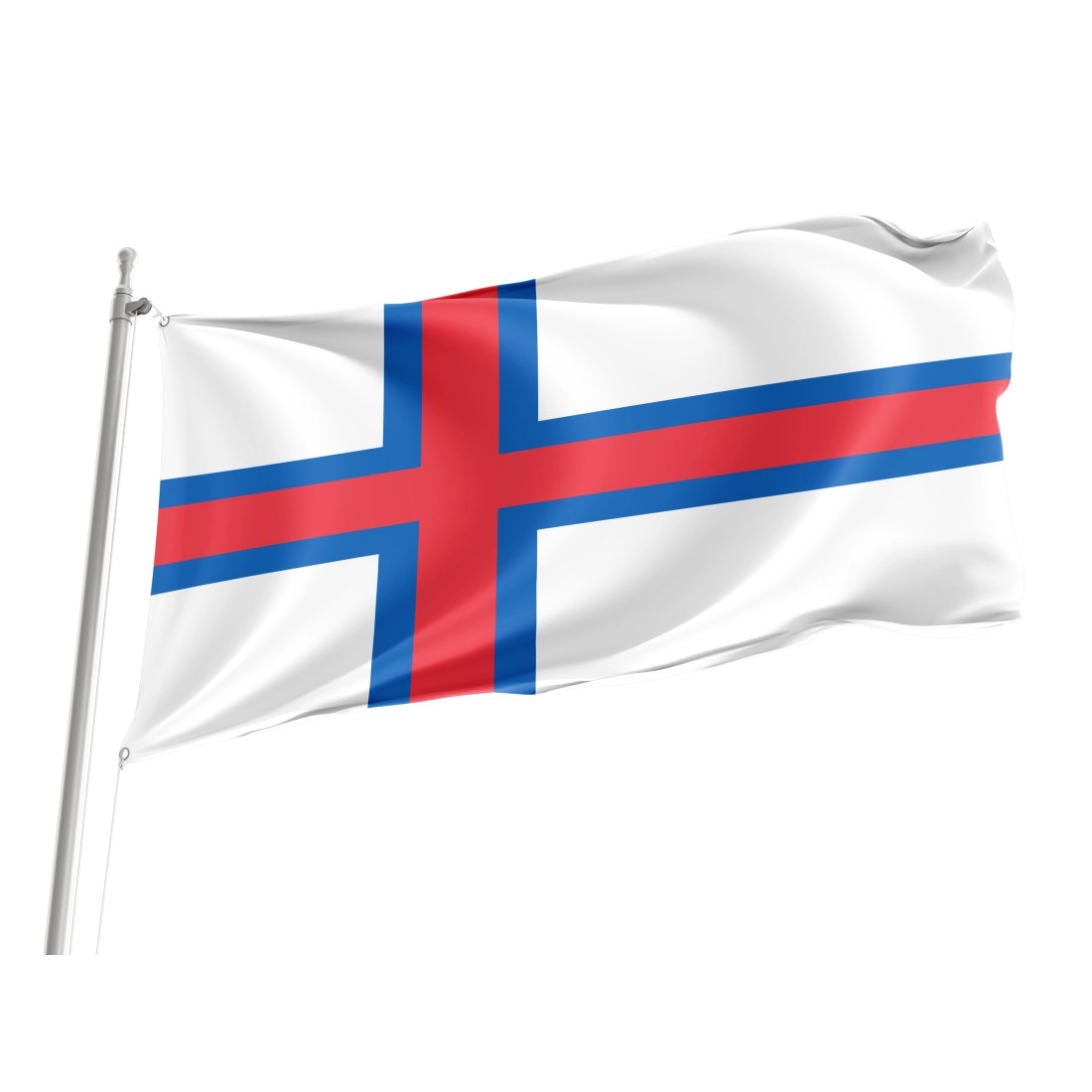
Celebrate the distinctive Nordic heritage of the Faroe Islands with the flag known locally as Merkið. Its red Nordic cross outlined in blue creates a striking contrast against the white background. This durable polyester flag is suitable for Faroese celebrations, homes, gardens, maritime events, schools and international displays.
Merkið and the History of the Faroe Islands Flag
The Faroe Islands flag was designed in 1919 by Faroese students studying in Copenhagen. Jens Oliver Lisberg is most closely associated with the design, which was created together with other Faroese students who wanted a recognisable symbol for their islands.
Merkið was first raised on Faroese soil in the village of Fámjin on 22 June 1919. The original flag has survived and is displayed in the church of Fámjin on the island of Suðuroy.
How Merkið Became an Official Flag
The Second World War played an important role in the flag’s official recognition. After Germany occupied Denmark in 1940, British forces occupied the Faroe Islands. Faroese vessels needed a flag that would distinguish them from ships sailing under the Danish flag.
On 25 April 1940, the British authorities recognised Merkið for use by Faroese vessels. This date is now celebrated annually as Faroese Flag Day. The flag received broader recognition through the Faroe Islands Home Rule Act of 1948.
Meaning of the Name Merkið
The Faroese name “Merkið” can be translated as “the banner” or “the mark”. It reflects the flag’s role as a distinctive sign of Faroese identity, history and culture.
Meaning of the Colors and Nordic Cross
- White background: Is commonly associated with the bright Faroese sky and the foam of waves breaking around the islands.
- Red and blue: Appear in traditional Faroese clothing and connect the design with other Nordic flags.
- Nordic cross: Reflects the Faroe Islands’ place within the Nordic cultural tradition.
- Blue border: Separates the red cross from the white field and gives Merkið its distinctive appearance.
Durable Faroe Islands Flag for Everyday Display
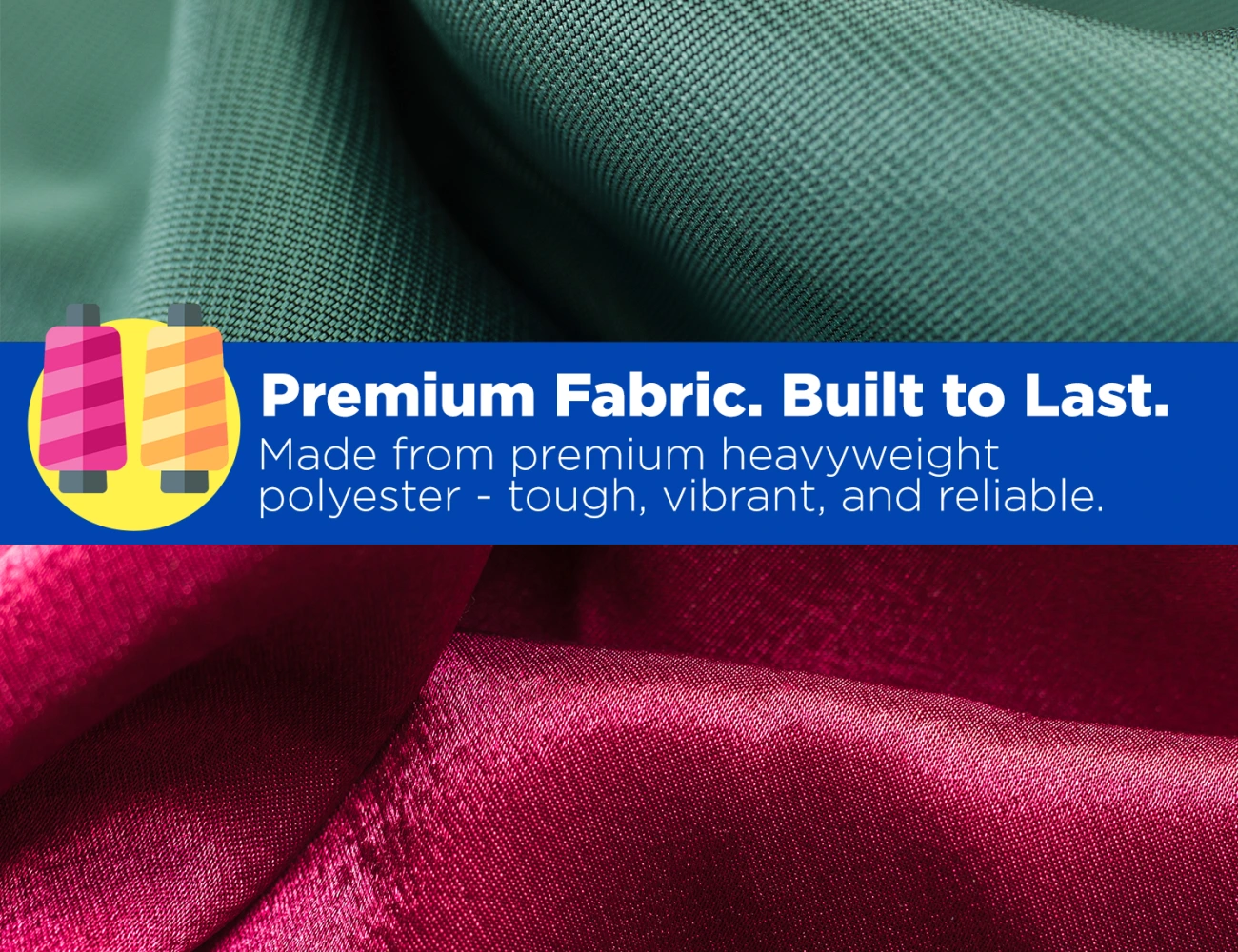
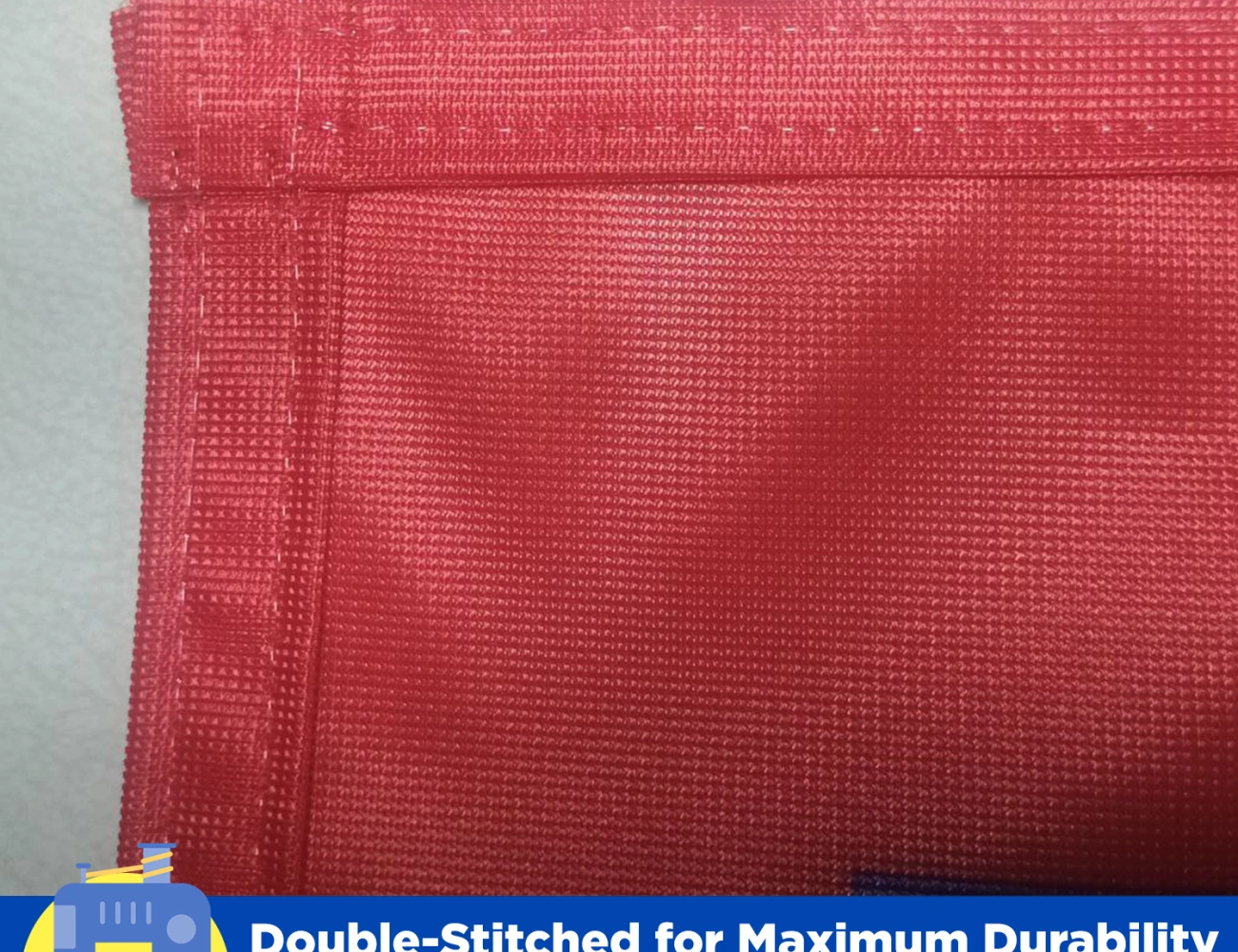
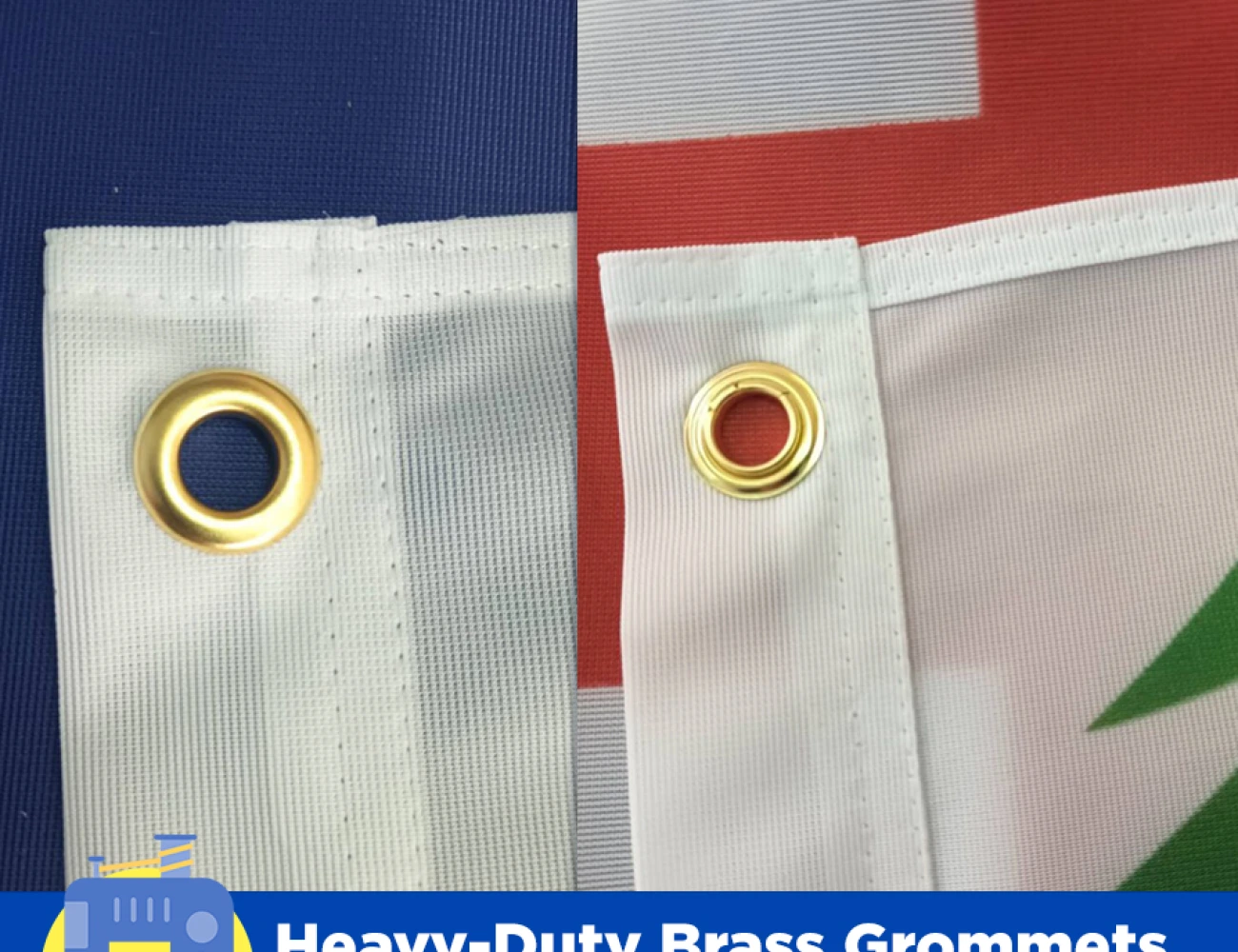
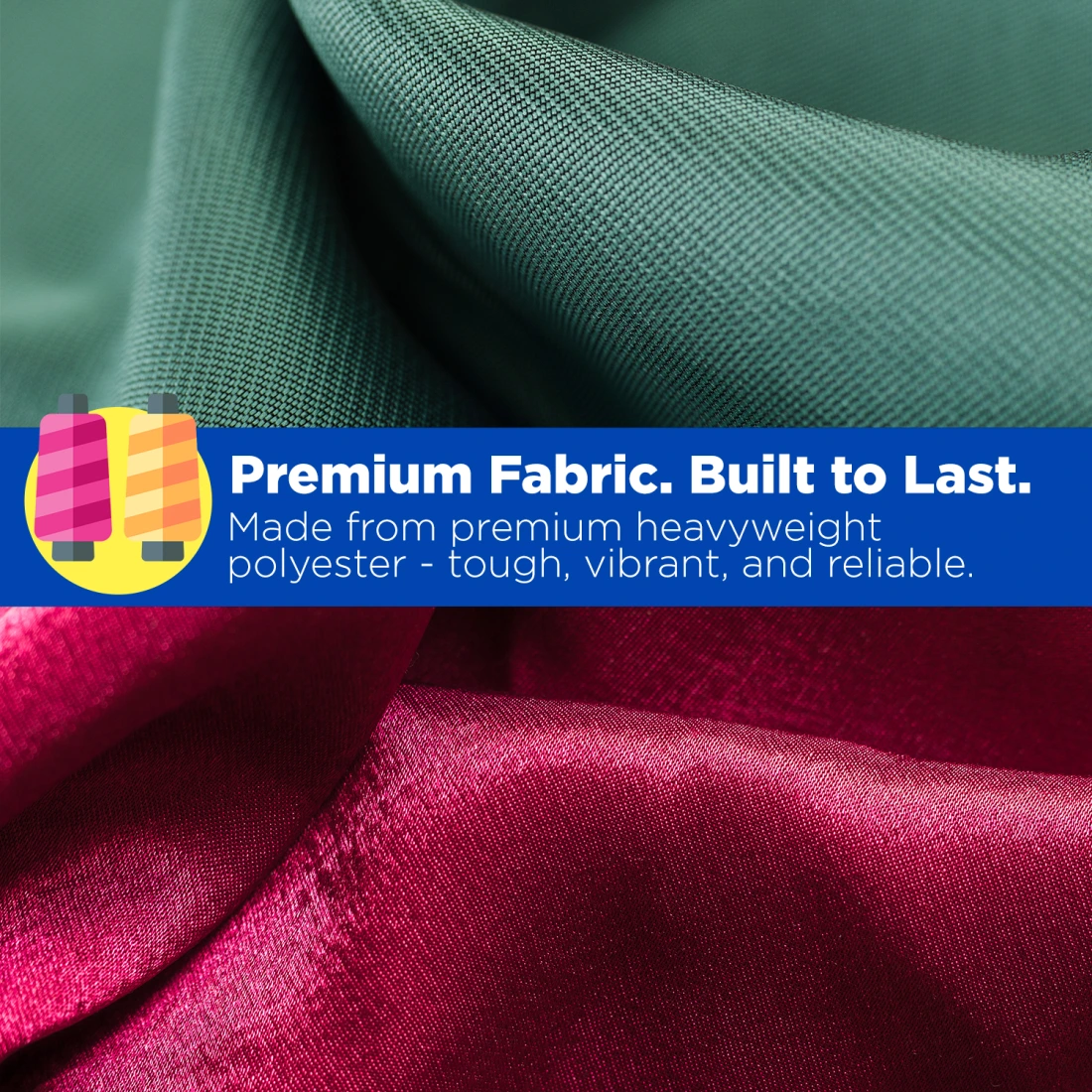
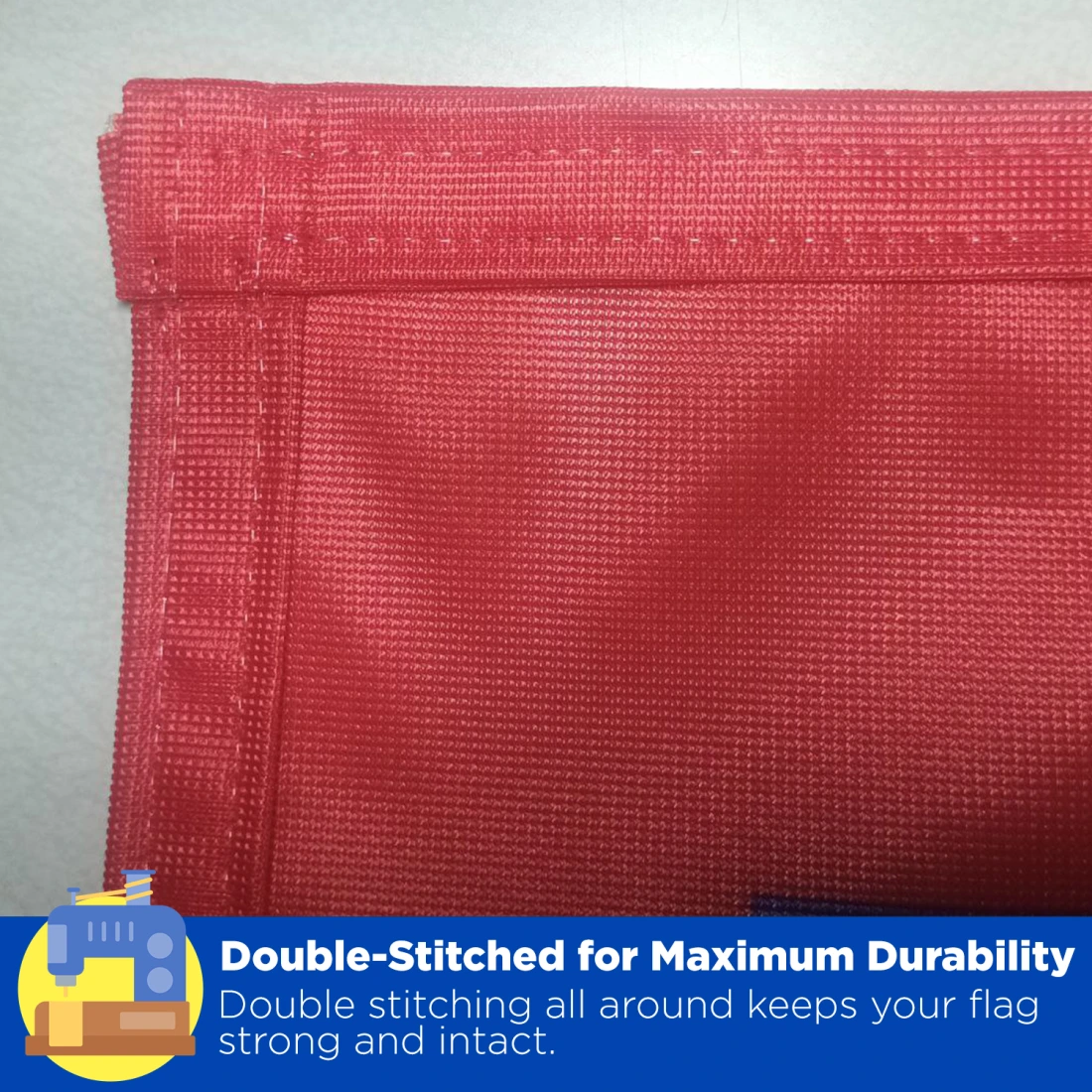
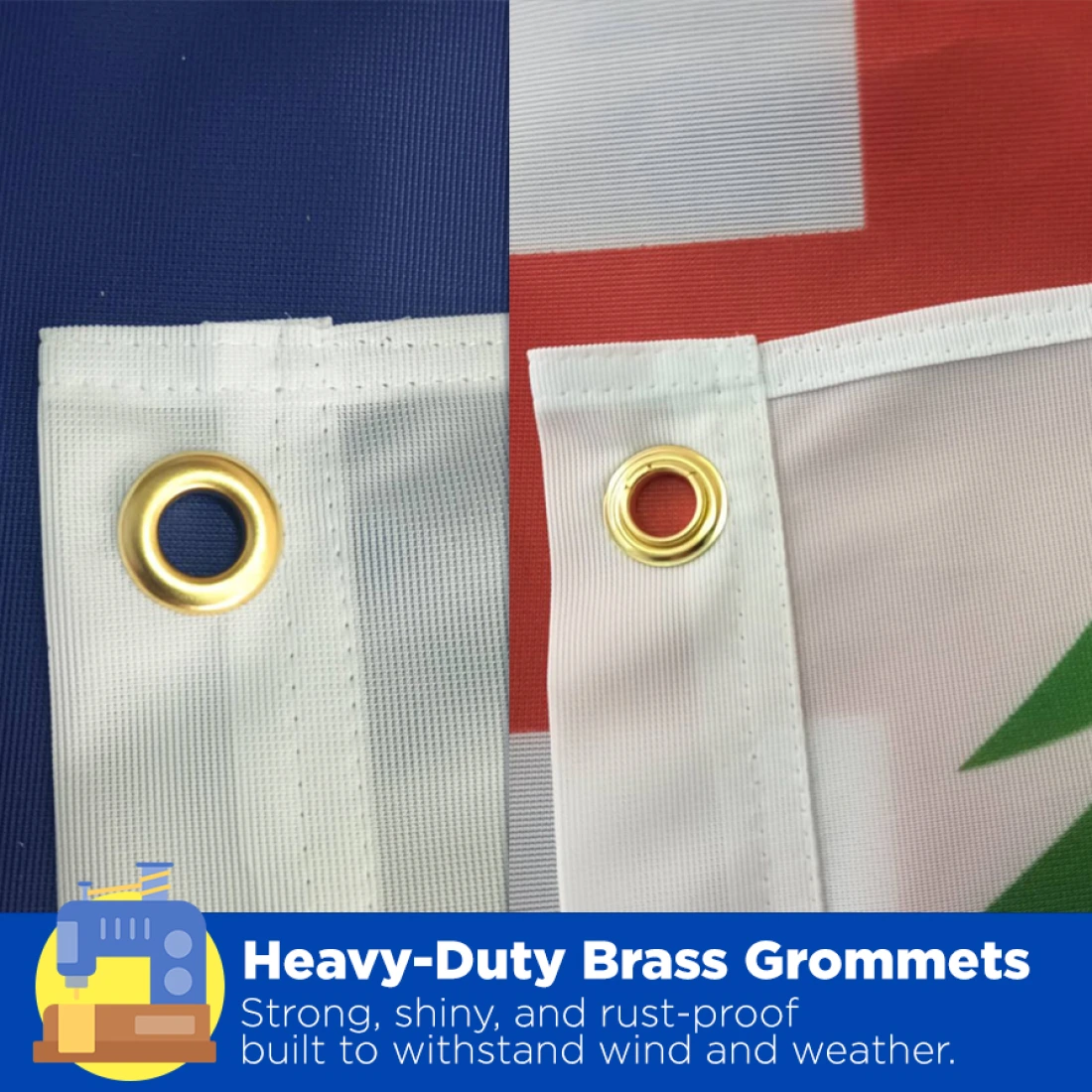
This Faroe Islands flag is manufactured from 115 g/m² polyester. The lightweight fabric allows the flag to move easily in the wind, while reinforced edges and double stitched seams provide additional durability. Two rust resistant brass grommets make attachment quick and convenient.
Product Features
- Traditional Merkið flag design
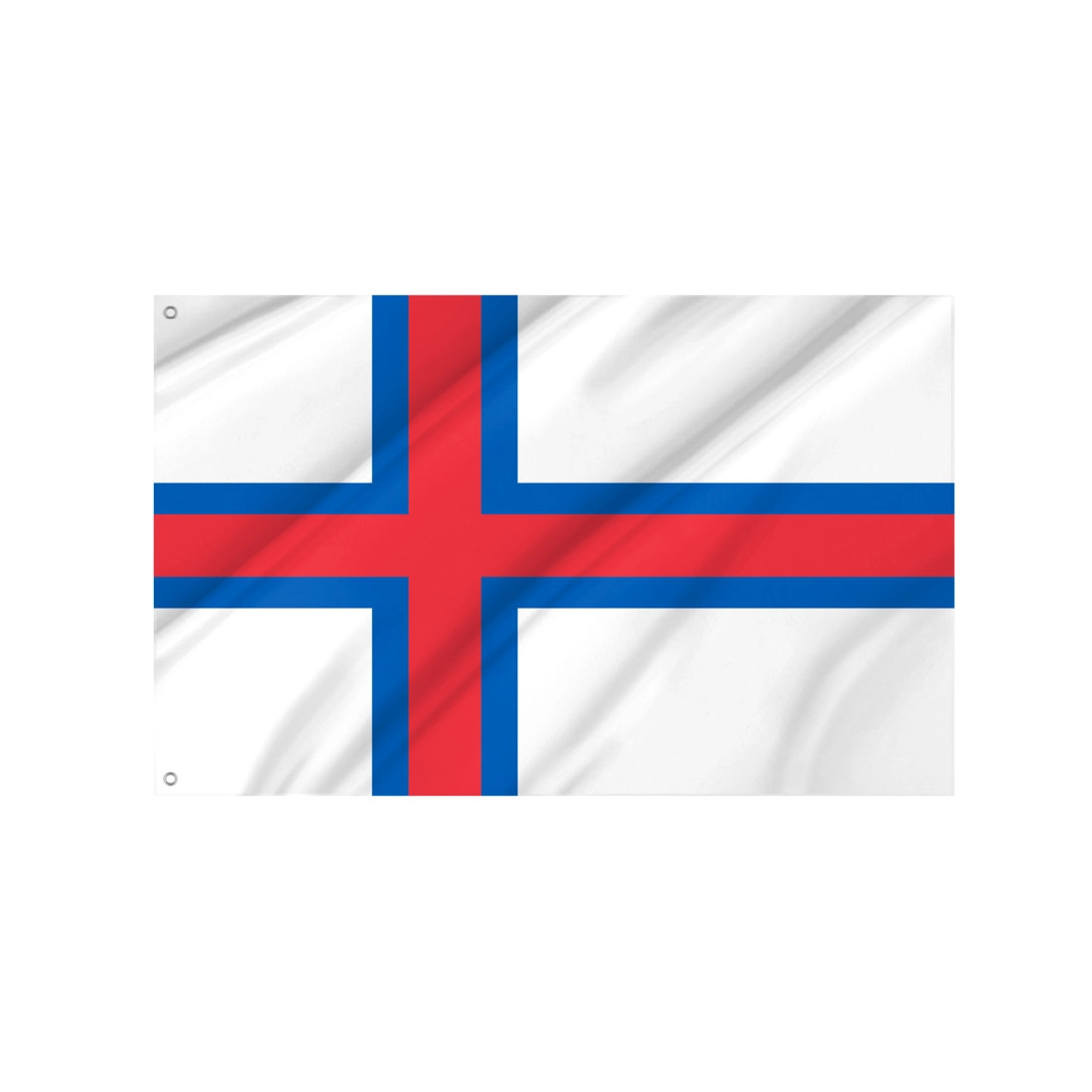
- White field with a red Nordic cross outlined in blue
- Durable 115 g/m² polyester fabric
- Reinforced edges for improved resistance
- Double stitched seams
- Two rust resistant brass grommets
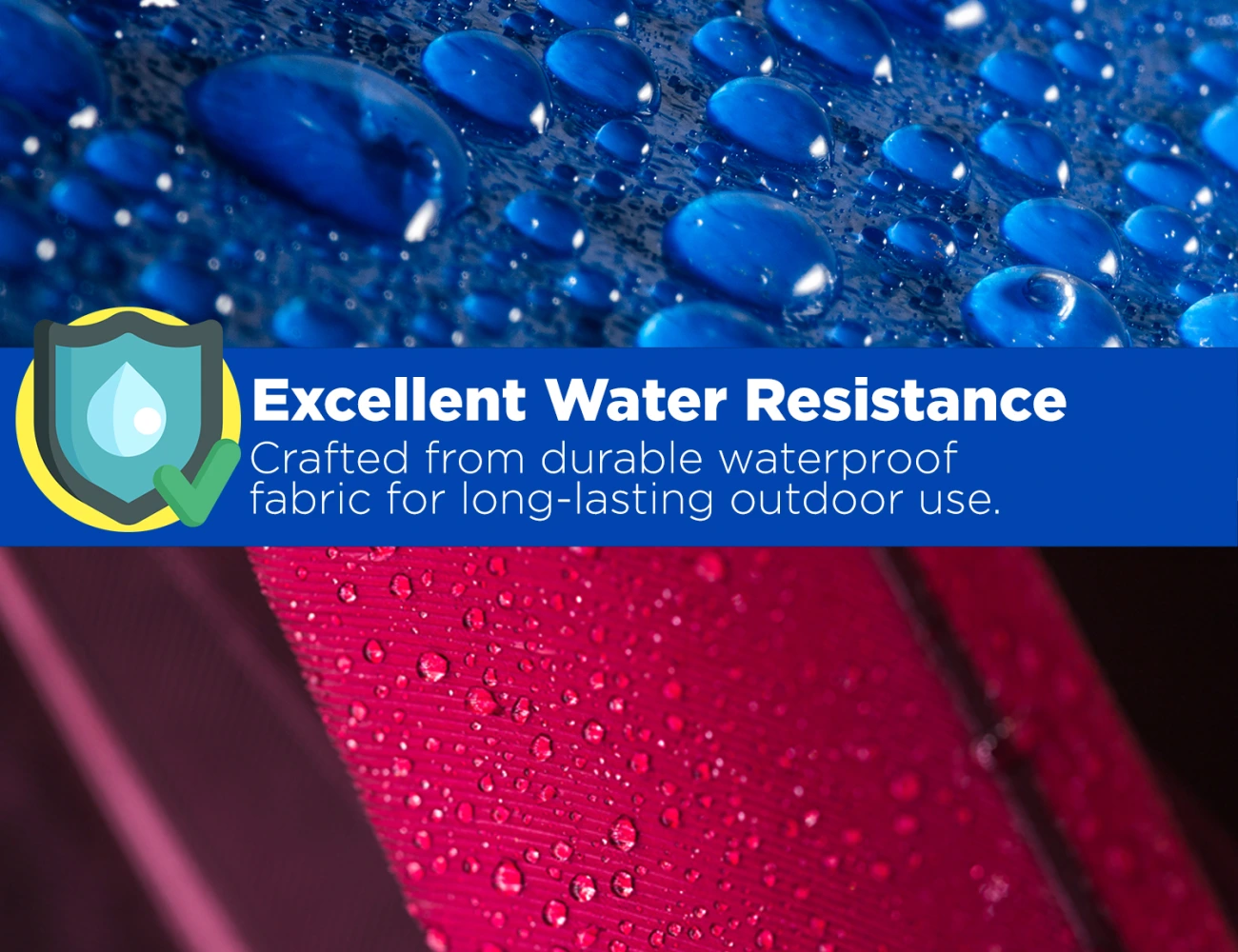
- Water resistant material with UV protection
- Suitable for indoor and outdoor display
- Single sided print with approximately 90% visibility on the reverse
- Machine washable at up to 30°C
- Available in five different sizes
- Free worldwide shipping
Available Faroe Islands Flag Sizes
| Metric Size | Approximate Imperial Size | Suggested Use |
|---|---|---|
| 50 × 75 cm | 1.66′ × 2.50′ | Windows, boats, smaller rooms and compact wall displays |
| 60 × 90 cm | 2′ × 3′ | Balconies, cabins and smaller flagpoles |
| 90 × 150 cm | 3′ × 5′ | Homes, gardens and standard residential flagpoles |
| 120 × 180 cm | 4′ × 6′ | Community centres, businesses and maritime events |
| 150 × 250 cm | 5′ × 8′ | Festivals, public gatherings and high visibility displays |
Choosing the Right Faroe Islands Flag Size
The 90 × 150 cm or 3′ × 5′ size is a practical choice for homes, gardens and standard flagpoles. Smaller versions are suitable for boats, balconies, cabins and interior walls. Larger sizes provide greater visibility at cultural festivals, community gatherings and maritime events.
Where Can the Faroe Islands Flag Be Displayed?
- Homes, gardens, balconies and flagpoles
- Faroese Flag Day celebrations on 25 April
- Ólavsøka celebrations in late July
- Faroese community and cultural gatherings
- Nordic festivals and international events
- Maritime, sailing and fishing heritage events
- Schools, universities and geography presentations
- Sporting events and supporter displays
- Flag collections and gifts for people with Faroese heritage
Single Sided Print and Reverse Appearance
The design is printed on one side of the polyester fabric and remains approximately 90% visible from the reverse. When viewed from the back, the offset Nordic cross appears mirrored.
Care Instructions
Wash the flag at a maximum temperature of 30°C using a gentle washing programme. Do not use bleach and allow the fabric to air dry. Although the material is suitable for normal outdoor display, taking the flag down during severe North Atlantic weather, storms or exceptionally strong winds can help protect the seams and extend its useful life.
Frequently Asked Questions
What does the Faroe Islands flag look like?
The flag has a white background with a red Nordic cross outlined in blue. The cross is positioned closer to the hoist side in the traditional Nordic style.
What is the Faroe Islands flag called?
The flag is called Merkið in Faroese. The name can be translated as “the banner” or “the mark”.
Who designed the Faroe Islands flag?
The design was created in 1919 by Faroese students in Copenhagen and is most closely associated with Jens Oliver Lisberg.
When was Merkið first raised in the Faroe Islands?
It was first raised on Faroese soil in Fámjin on 22 June 1919.
When was the Faroe Islands flag officially recognised?
British authorities recognised Merkið for use by Faroese vessels on 25 April 1940. It later received broader recognition under the Home Rule Act of 1948.
Why is Faroese Flag Day celebrated on 25 April?
The date commemorates the official recognition of Merkið for Faroese shipping during the Second World War.
Where is the original Merkið flag?
The original flag from 1919 is preserved and displayed in the church of Fámjin on the island of Suðuroy.
What do the colors of the flag represent?
White is commonly connected with the bright sky and sea foam, while red and blue are found in traditional Faroese clothing and other Nordic flag designs.
Why does the flag have a Nordic cross?
The cross reflects the Faroe Islands’ cultural and historical connection with the wider Nordic region.
Can this Faroe Islands flag be displayed outdoors?
Yes. The polyester material, reinforced edges, double seams and brass grommets make it suitable for regular indoor and outdoor display.
How is the flag attached?
Two brass grommets are fitted along the hoist edge. They can be connected to compatible hooks, clips or flagpole fittings.
Is the Faroe Islands flag printed on both sides?
No. The design is printed on one side and remains approximately 90% visible from the reverse, where the cross appears mirrored.
Which flag size should I choose?
The 90 × 150 cm size is suitable for most general displays. Select a smaller flag for limited spaces or a larger version when greater visibility is required.
We offer several payment methods, very easily and conveniently you can pay through Stripe and PayPal using your credit card or account.
The connection is well encrypted through the external payment providers Stripe and PayPal which guarantees security and convenience.
The information on the credit card (number of the card, expiry date etc.) are forwarded automatically via a coded security system to the Paymaster without „Teesntowels“ ltd or any third party having any kind of access to this data. Even in the event of a possible refund, the complete credit card details cannot become known. This is why a refund is only possible on the card with which the purchase was originally made. The financial information connected with credit card transactions (number of the card, expiry date etc.) are automatically forwarded with a coded message without „Teesntowels“ ltd or a third party having any access to them. Except in the event of a refund on possible returns, this information will never again be used.
Please note that the credit card account is directly debited but the payment is under review by our service provider. We are not allowed to send out the order until the payment is verified.
Please be also aware that with credit card payments the billing address and the delivery address must be both either within or outside EU.
Online security
www.teesntowels.com uses the security software SSL (Secure Socket Layer). This is an asymmetrical encoding method in the Internet that protects your credit card data from being overheard or manipulated whilst your credit card data is being transmitted. It is therefore impossible for any unauthorized person to read this data whilst it is being transferred in the Internet.